March has often been an important time for the King of the Monsters. In Japan, the season coincides with school holidays and the beginning of spring, making it a natural place on the calendar for moviemakers to present titles aimed at younger audiences. During the late 1960s and into the 1970s, TOHO Studios organized many of these releases through its TOHO Champion Festival programs, where kaiju films appeared alongside animated shorts and other family features.
Among the Godzilla films produced for release during the TOHO Champion Festival were Godzilla vs. Gigan, released on March 12, 1972, and Godzilla vs. Megalon, which followed on March 17, 1973. Made during a period when the series leaned toward fast-paced adventure and clear-cut heroics, both films present Godzilla as a heroic defender who joins forces with allies to face new and unusual threats.
Godzilla vs. Gigan
Directed by Jun Fukuda, Godzilla vs. Gigan was the twelfth film in the Godzilla series. The story follows a group of people investigating a new theme park built around a giant Godzilla-shaped tower. Their curiosity reveals a hidden masterplan that soon draws Earth’s monsters into the conflict.
Godzilla and Anguirus respond to the threat and confront two powerful opponents: Gigan and King Ghidorah. Gigan, making its debut in the series, is one of the era’s most distinctive creatures, with a partially mechanical body, curved hooks for hands, and a spinning blade embedded in its chest.
The film builds toward a sequence of battles in which Godzilla and Anguirus work together to overcome their opponents. One remarkable moment occurs when the two kaiju allies briefly communicate verbally with each other, a playful scene that reflects the lighter tone of the period.
Behind the scenes, Godzilla vs. Gigan aimed to deliver intense monster battles while keeping the story easy to follow. Director Jun Fukuda had already guided several entries in the series (including Son of Godzilla and Ebirah, Horror of the Deep) and brought a light touch, along with a strong sense of rhythm, to the drama and action scenes. The Godzilla-shaped tower that dominates the amusement complex became one of the film’s signature images, linking the attraction in the story with the famous monster itself.


![CCP Middle Size Series [81st Series] Hedorah Nightmare Figure](http://godzilla.com/cdn/shop/files/4580565637508_1.jpg?v=1774044453&width=480
)
![CCP Middle Size Series [81st Series] Hedorah Nightmare Figure](http://godzilla.com/cdn/shop/files/4580565637508_2.jpg?v=1774044452&width=480
)
![CCP Middle Size Series [6th Series] Gigan Clear Green Figure](http://godzilla.com/cdn/shop/files/4580565638482_1.jpg?v=1774045589&width=480
)
![CCP Middle Size Series [6th Series] Gigan Clear Green Figure](http://godzilla.com/cdn/shop/files/4580565638482_2.jpg?v=1774045589&width=480
)
![CCP Middle Size Series [5th Series] Hedorah Psychedelic Color](http://godzilla.com/cdn/shop/files/4580565632923_1.jpg?v=1774047126&width=480
)
![CCP Middle Size Series [5th Series] Hedorah Psychedelic Color](http://godzilla.com/cdn/shop/files/4580565632923_3.jpg?v=1774047137&width=480
)


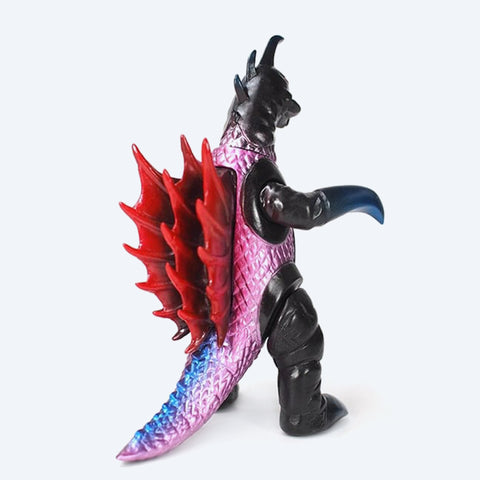
![CCP Middle Size Series [7th Series] Godzilla (1954) Sea Blue Figure](http://godzilla.com/cdn/shop/files/4580565638505_1.jpg?v=1774047439&width=480
)
![CCP Middle Size Series [7th Series] Godzilla (1954) Sea Blue Figure](http://godzilla.com/cdn/shop/files/4580565638505_2.jpg?v=1774047439&width=480
)


![CCP Middle Size Series [79th Series] Godzilla (1995) Destroy Red Figure](http://godzilla.com/cdn/shop/files/4580565637485_1.jpg?v=1774045145&width=480
)


![CCP Middle Size Series [6th Series] Godzilla (1964) Frozen Figure](http://godzilla.com/cdn/shop/files/4580565638451_1_98b4ad21-b292-4b85-a69c-b7866a82539a.jpg?v=1774046202&width=480
)
![CCP Middle Size Series [6th Series] Godzilla (1964) Frozen Figure](http://godzilla.com/cdn/shop/files/4580565638451_2_c90aae6a-6b2b-4a49-8f74-79c99ae0e452.jpg?v=1774046203&width=480
)
![CCP Middle Size Series [6th Series] Godzilla (1995) Junior Image Figure](http://godzilla.com/cdn/shop/files/4580565638468_1.jpg?v=1774046710&width=480
)
![CCP Middle Size Series [6th Series] Godzilla (1995) Junior Image Figure](http://godzilla.com/cdn/shop/files/4580565638468_2.jpg?v=1774046709&width=480
)


![CCP Middle Size Series [78th Series] Godzilla (1954) Figure](http://godzilla.com/cdn/shop/files/4580565637478_1_6a819884-6bc5-4567-8cc8-4bbd3dc2f11f.jpg?v=1774044701&width=480
)


![CCP Middle Size Series [80th Series] Gigan Emerald Green Figure](http://godzilla.com/cdn/shop/files/4580565637492_1.jpg?v=1774045043&width=480
)
![CCP Middle Size Series [6th Series] Godzilla (1999) Destroy Red Figure](http://godzilla.com/cdn/shop/files/4580565638475_1.jpg?v=1774046882&width=480
)
![CCP Middle Size Series [6th Series] Godzilla (1999) Destroy Red Figure](http://godzilla.com/cdn/shop/files/4580565638475_2.jpg?v=1774046882&width=480
)


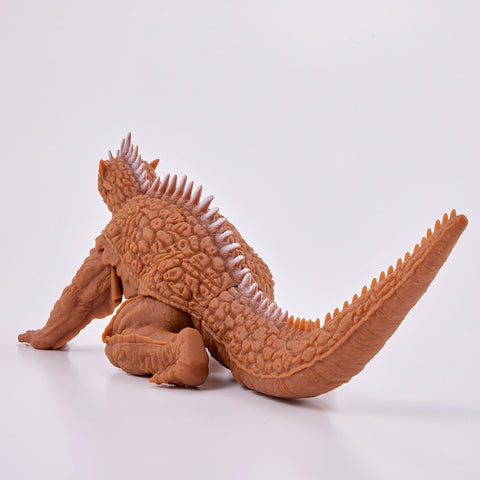


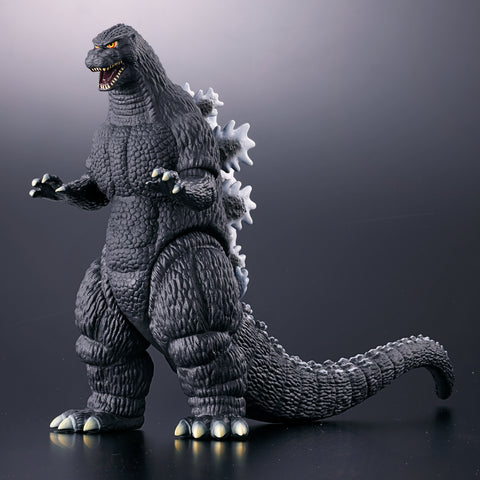


![CCP Middle Size Series [6th Series] Godzilla (1954) Ghost Figure](http://godzilla.com/cdn/shop/files/4580565638444_1.jpg?v=1774045879&width=480
)
![CCP Middle Size Series [6th Series] Godzilla (1954) Ghost Figure](http://godzilla.com/cdn/shop/files/4580565638444_2.jpg?v=1774045879&width=480
)


